All Categories
Featured
Table of Contents
It's in fact one of the main reasons your insurance provider has waiting durations on pet dog insurance coverage plans. It is necessary to recognize that you will not be covered for any type of pre-existing problems. Animal insurance coverage companies, consisting of Lemonade, won't cover anything diagnosed, or a condition that was symptomatic, before your plan's efficient day or throughout any waiting periods.
At Lemonade, for example, you can acquire a plan for your young puppy or kittycat from 2 months old. Some dogs are particularly most likely to call for vet care for genetic conditions, like hip dysplasia or a luxating knee.
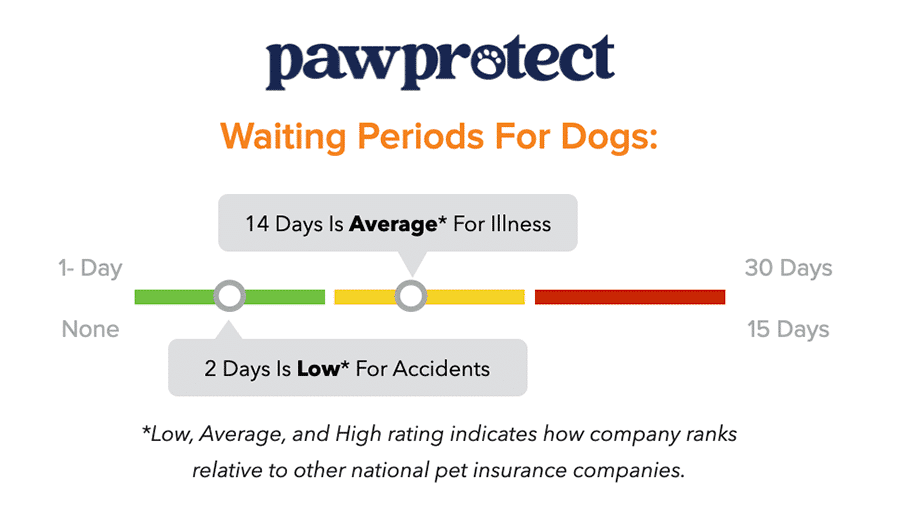
Maintain in mind: At Lemonade Animal, there is a 2 week waiting duration for diseases from the day your plan enters into effect. If your pet obtains sick or wounded during the waiting period, those particular problems will certainly not be covered by your insurance plan. You will need to cover the veterinary expenses out of pocket, and just brand-new problems that take place after the waiting period ends will certainly be qualified for insurance coverage.
The objective of this post is merely to provide you with info and insights you can utilize to make such conversations more efficient! Naturally, all remarks by, or references to, 3rd parties represent their very own sights, and Lemonade presumes no duty for them. Protection and price cuts may not be readily available in all states.
The Basic Principles Of What Counts As Preexisting Conditions On Pet Insurance : R/askvet
, recognized as policy riders, that cover regular treatment, preventative treatment, examinations, and annual vaccines, yet not much else. These are normally marketed as add-on functions to other wellness insurance coverage strategies.
There are 3 basic levels of pet medical insurance coverage: This is the least expensive alternative. Standard insurance coverage gives the most affordable compensations for procedures, and will help pay for unexpected injuries, poisoning in specific cases, and diseases (consisting of cancer). These plans commonly include a yearly deductible, caps on repayments per crash or illness, in addition to caps on overall compensations per plan term.
How Pet Insurance Waiting Periods Explained - Farmers Insurance can Save You Time, Stress, and Money.
These policies feature lower annual deductibles than those for standard insurance coverage, yet additionally cap repayments per crash and ailment, in addition to on overall compensations for the policy term. Compensates for precautionary and routine care, consisting of physical tests, flea and heartworm prevention, inoculations, and dental treatment. Lots of pet health insurance coverage policies have an in the past insurance coverage begins.

Some pet health insurance coverage plans might repay covered medical expenses for accidents, health problems, surgical treatments, X-rays, prescriptions, hospital stays, emergencies, or cancer treatments. Various other plans might only cover accident and illness after a waiting duration. Hereditary conditions and particular clinical problems are taken into consideration pre-existing. Look to see if the problems are considered curable (steady or controlled pre-existing conditions) or incurable (terminal pre-existing problems).
Conditions considered incurable such as diabetes mellitus or cancer cells might be left out or might be covered on a limited basis. A veterinarian may require to perform an examination to certify your animal's health and wellness. If your family pet is dealt with for a protected condition during the plan term, some firms might think about the condition to be pre-existing and will leave out coverage for the problem when the plan is renewed.

Table of Contents
Latest Posts
The Most Overlooked Sales Strategy : R/salestechniques - Reddit Things To Know Before You Get This
Getting My Ai Adoption For Small Business Marketing Ops Continues To Work
The smart Trick of Small Businesses Adopting Ai? Don't Believe It. - Gene Marks That Nobody is Talking About
More
Latest Posts
The Most Overlooked Sales Strategy : R/salestechniques - Reddit Things To Know Before You Get This
Getting My Ai Adoption For Small Business Marketing Ops Continues To Work
The smart Trick of Small Businesses Adopting Ai? Don't Believe It. - Gene Marks That Nobody is Talking About